The Impact of Leafy Greens
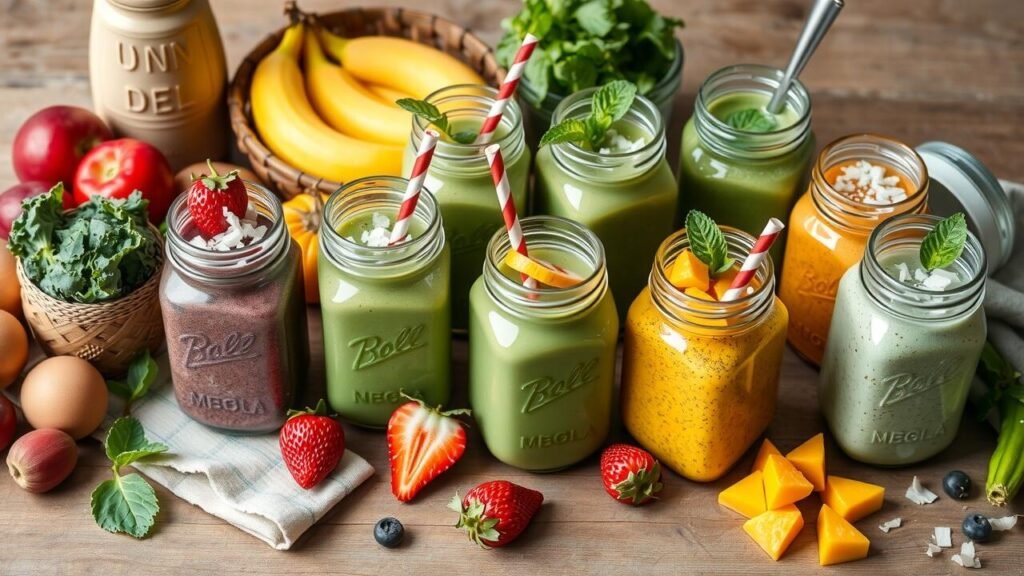
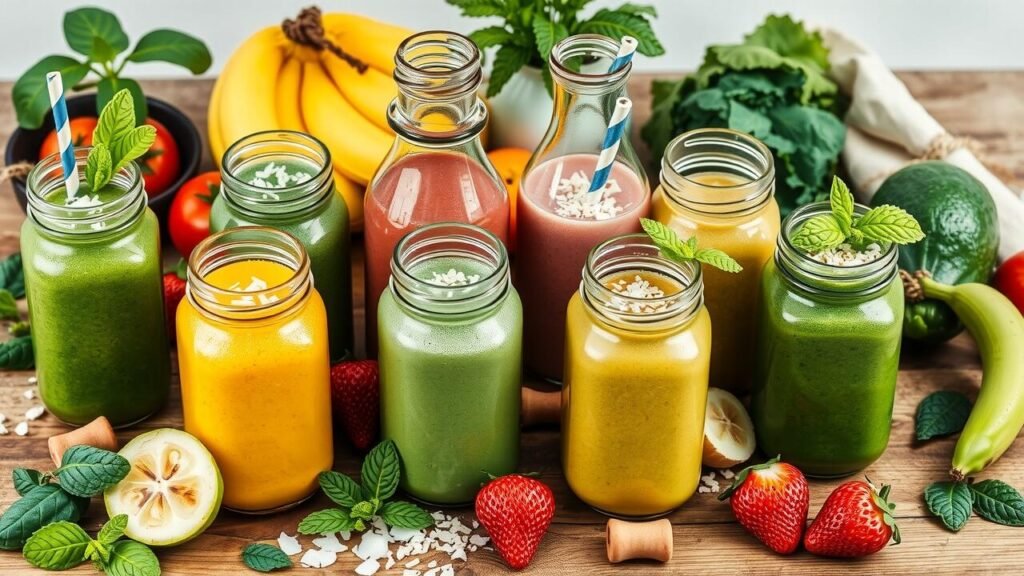
Incorporating leafy greens into smoothies enhances both nutritional value and satiety. Leafy greens such as spinach and kale are low in calories yet rich in essential vitamins and minerals. They provide dietary fiber, which aids digestion and promotes a feeling of fullness. This can be particularly beneficial for those aiming to lose weight while ensuring adequate nutrient intake. The antioxidants present in these greens contribute to overall health, making smoothies not only satisfying but also a concentrated source of nutrition.
Consuming leafy greens in smoothie form offers a convenient way to increase vegetable intake. Blending these greens breaks down cell walls, making nutrients more accessible for absorption. The vibrant colors and textures of spinach and kale can enhance the visual appeal of smoothies, encouraging healthier choices. By including a variety of leafy greens, one can enjoy different flavors while maximizing the health benefits associated with each type. This versatility can make daily smoothie consumption more enjoyable and sustainable.
Nutritional Boost from Spinach and Kale
Incorporating spinach and kale into smoothies significantly enhances their nutritional profile. Both of these leafy greens are rich in vitamins A, C, and K, which contribute to various health benefits, including improved immunity and overall cellular health. Moreover, they provide essential minerals like calcium and iron, important for maintaining bone strength and energy levels. With their low calorie count, spinach and kale become excellent choices for those seeking to lose weight while still obtaining vital nutrients.
Beyond their nutritional advantages, these greens also add a mild flavor that blends well with a variety of other smoothie ingredients. They can serve as a base for fruitier recipes without overpowering the taste. Additionally, the fiber content in both spinach and kale aids in promoting digestive health and enhancing feelings of fullness, making it easier to manage hunger throughout the day. Using these greens can transform a simple smoothie into a nutrient-dense meal replacement that supports weight loss efforts.
Flavoring Without the Calories
Flavoring your smoothies can transform them into a delightful treat without adding excessive calories. Natural ingredients such as citrus zest, vanilla extract, and unsweetened cocoa powder can enhance the taste profile. These options provide rich flavors and aromatic nuances that often mimic higher-calorie alternatives. Using fresh herbs like mint or basil brings a refreshing twist. This approach not only elevates the smoothie experience but also introduces new dimensions to your regular recipes.
Incorporating spices can also contribute to flavor without adding extra sugar or fats. Cinnamon and nutmeg can warm up the palate, while ginger and cayenne pepper deliver a spicy kick. These spices are known for their health benefits and can promote metabolism. A small sprinkle of these can significantly elevate the overall taste, encouraging you to enjoy your smoothies more often. Balancing different flavors can help satisfy your cravings and support your weight loss journey effectively.
Using Spices and Herbs Effectively
Incorporating spices and herbs into your smoothies can elevate flavor without adding extra calories or sugar. Ingredients like cinnamon, ginger, and turmeric are not only tasty but also offer numerous health benefits. Cinnamon can help regulate blood sugar levels, while ginger boasts anti-inflammatory properties. A dash of these spices can transform an ordinary smoothie into a wellness powerhouse.
Fresh herbs, such as mint or basil, can provide a refreshing twist to your drink. They can contribute vibrant flavors while also supporting digestive health. Experimenting with different combinations can lead to unique and satisfying results. The aromatic qualities of herbs enhance the overall sensory experience, making your vegan smoothies not just nutritious but enjoyable as well.
Smoothie Preparation Tips
Proper preparation can significantly enhance the quality of your smoothies. Choose a high-powered blender for the best results, as it breaks down ingredients more efficiently and creates a smooth texture. Start by adding liquids first, followed by softer ingredients like fruits and vegetables, and finish with ice or frozen components. This order helps the blender process everything uniformly, ensuring a delightful sip without any chunks.
Pre-chill ingredients when possible, especially if using fresh fruits. This minimizes the need for additional ice, which can dilute flavors. Experiment with varying ingredient amounts to discover personal preferences, adjusting to taste as you go. Moreover, blending times may vary; aim for a consistency that appeals to you, whether thick and creamy or light and refreshing.
Blending Techniques for Optimal Texture
Achieving the perfect texture in a smoothie requires attention to blending techniques. Start by selecting a high-quality blender that can handle tough ingredients like leafy greens and frozen fruits. Begin with liquids, adding them to the blender first to create a liquid base, which helps other ingredients mix more easily. Layering your ingredients matters; place softer items, such as bananas or avocados, on top of the liquids, followed by harder items like frozen berries or ice cubes. This arrangement allows for smoother blending and prevents ingredients from sticking to the blades.
Blending time can significantly affect the texture of your smoothie. Initially, pulse your ingredients to break them down before blending continuously. For a creamier result, increase the blending time slightly. If a smoothie seems too thick, adding additional liquid in small increments ensures the desired consistency. Keep monitoring the blend, stopping occasionally to scrape down the sides. This technique guarantees that all components are fully incorporated, creating a velvety and satisfying drink.
FAQS
What are the benefits of adding leafy greens to my smoothies?
Leafy greens like spinach and kale are low in calories but high in vitamins, minerals, and fiber, making them excellent for enhancing satiety while promoting overall health.
How can I make my smoothies more flavorful without adding extra calories?
You can use spices and herbs such as cinnamon, ginger, and mint to enhance the flavor of your smoothies without adding significant calories or sugar.
What are some tips for achieving the best texture in my smoothies?
To achieve optimal texture, start by blending softer ingredients like leafy greens and liquids first, then gradually add in harder ingredients like frozen fruits or ice, ensuring a smooth consistency.
Can I use frozen fruits in my vegan smoothies?
Yes, frozen fruits are a great option as they help create a chilled, refreshing drink and can contribute to a thicker texture, while also being convenient and often more affordable.
Are there specific ingredients I should avoid in smoothies for weight loss?
It’s best to limit high-calorie additives like sugary yogurt, excess nut butters, and sweetened juices. Instead, focus on whole, nutrient-dense ingredients to keep your smoothies healthy and satisfying.
Related Links
Vegan Smoothies for Weight Loss: Low-Calorie, High-Satiety Recipes
Vegan Smoothie Recipes for Weight Loss: 14 Low-Calorie Blends
Plant Based Smoothies for Weight Loss: Whole-Food Approach
Best Vegan Smoothies for Weight Loss: Top 10 Picks
Low Calorie Vegan Smoothies That Keep You Full
Vegan Smoothie Diet Plan: A Safer 7-Day Framework
Vegan Shakes for Weight Loss: Smoothie vs Shake (What Works)
Raw Vegan Smoothies for Weight Loss: Smart Combos