Enhancing Taste with Additional Ingredients
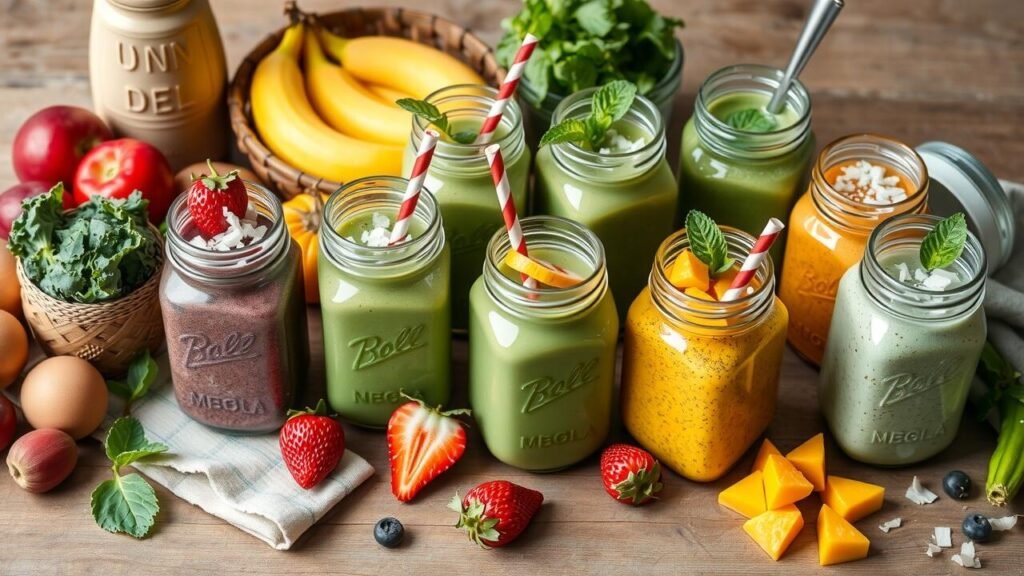
Experimenting with different ingredients can elevate the taste of your vegan smoothies. Consider incorporating fresh herbs such as mint or basil for a refreshing twist. Additionally, citrus zest not only brightens the flavor but also adds a vibrant aroma. For a hint of richness, nut butters like almond or cashew can contribute depth and creaminess to the blend.
To create a more complex flavor profile, try adding superfoods like cacao nibs or maca powder. These ingredients not only enhance taste but also provide added nutritional benefits. A dash of vanilla extract can also work wonders, imparting a subtle sweetness that complements the natural flavors of fruits and vegetables. By thoughtfully selecting additional ingredients, you can achieve a unique and satisfying smoothie experience.
Natural Sweeteners and Spices
Incorporating natural sweeteners can elevate the flavor profile of your smoothies while keeping them healthy. Options like ripe bananas, medjool dates, or agave syrup provide not only sweetness but also additional nutrients. These ingredients work harmoniously with fruits and greens, allowing you to create a balanced and delightful blend. Experimenting with different combinations lets you discover which sweeteners complement your favorite base ingredients best.
Spices add an exciting dimension to smoothies, enhancing taste without extra calories. Cinnamon can introduce warmth while also offering potential health benefits, such as regulating blood sugar levels. Vanilla extract delivers a hint of sweetness with a comforting aroma. Other spices, like nutmeg or turmeric, can provide unique flavor nuances as well as nutritional boosts. Mixing and matching these flavorings allows for a personalized touch tailored to individual preferences.
Strategies for Portion Control
Portion control is essential for creating consistently delicious and nutritious vegan smoothies. One effective way to maintain accuracy is by using measuring cups and spoons. This ensures each ingredient is added in the right amount, preventing inconsistencies in flavor and texture. Having a kitchen scale on hand can further enhance precision, especially for ingredients like fruits or nut butters, where slight variations can impact the overall balance.
Incorporating guidelines based on the type of smoothie you aim to make is another method for portion management. For instance, a green smoothie typically requires a higher ratio of leafy greens to fruits, while a protein-packed smoothie may feature a higher concentrate of nuts or seeds. Creating a standard recipe and adjusting it based on personal preferences allows for easier replication without sacrificing flavor or nutritional value.
Measuring Your Ingredients
Accurate measurements are crucial for achieving a consistently delicious smoothie. Using measuring cups and spoons ensures that each ingredient contributes its intended flavor and nutrition. Since different fruits and vegetables can have varying water content, sticking to a specific quantity can help maintain the desired consistency. A kitchen scale can also be beneficial, particularly for bulk ingredients like nuts or seeds, allowing for precise adjustments based on personal preference.
Another effective strategy involves prepping ingredients in advance. Portioning out fruits, greens, and other components into baggies or containers can help with expediency during busy mornings. Labeling the portions not only makes the process more efficient but also allows for experimentation with flavors without excessive waste. This practice also promotes healthier choices by having nutritious options ready to blend at any time.
Balancing Flavor and Nutrition
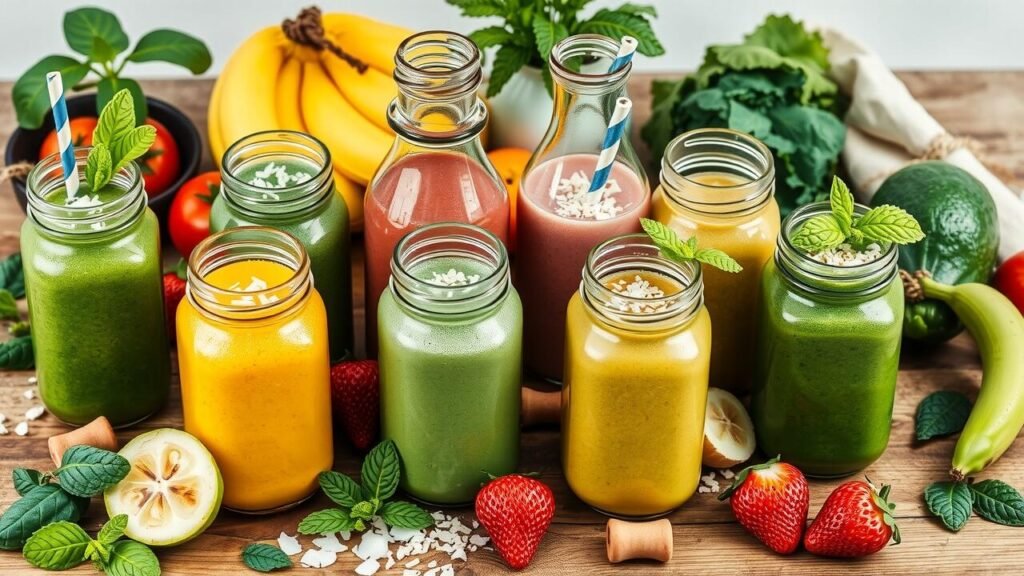
A well-rounded smoothie should satisfy both taste and nutritional needs. Incorporating a variety of ingredients helps achieve this balance. Leafy greens such as spinach or kale add essential vitamins and minerals without overpowering the flavor. Additionally, fruits like bananas or berries contribute natural sweetness while providing antioxidants. The combination creates a harmonious blend that appeals to the palate.
Achieving ideal ratios is key to maintaining both flavor and nutritional value. Typically, a serving might include one cup of leafy greens, one banana or half a cup of mixed berries, and a source of healthy fat such as avocado or nut butter. Protein powder or plant-based yogurt can enhance the smoothie’s satiety without detracting from its taste. Adjusting these portions allows for experimentation while ensuring a nutrient-dense drink that remains pleasant to enjoy.
Ideal Ratios for a Well-Rounded Smoothie
A well-rounded smoothie typically contains a balance of fruits, vegetables, fats, proteins, and liquids to achieve both flavor and nutrition. A common ratio is two parts fruit to one part leafy greens. This blend maximizes sweetness while minimizing any bitter notes from greens, creating a harmonious flavor profile. Additionally, incorporating healthy fats like avocado or nut butter helps improve texture and enhances satiety.
For protein, a good guideline is to include one scoop of protein powder or a serving of plant-based yogurt per smoothie. This elevates the nutritional content, making the drink more satisfying. Finally, it’s essential to add liquid according to the desired consistency, usually one cup of water or plant milk for every two servings of solid ingredients. Such ratios can be adjusted based on personal preferences, ensuring an enjoyable yet nutritious beverage.
FAQS
What are some natural sweeteners I can use in my vegan smoothies?
Natural sweeteners such as maple syrup, agave nectar, and dates are great options to enhance the sweetness of your smoothies without using refined sugars.
How can I measure my smoothie ingredients accurately?
You can use measuring cups and spoons for dry ingredients, and a kitchen scale for more precise measurements, especially for items like powders or harder fruits.
What is the ideal proportion of fruits to vegetables in a smoothie?
A common guideline is to use a 2:1 ratio of fruits to vegetables. This ensures that your smoothie is both flavorful and nutritious without tasting too green.
Can I add spices to my vegan smoothies, and if so, which ones are best?
Yes, spices can enhance the flavor of your smoothies! Popular choices include cinnamon, ginger, and turmeric, which also provide additional health benefits.
How can I ensure my smoothie remains balanced in flavor and nutrition?
Aim for a combination of fruits, vegetables, healthy fats (like avocado or nut butter), and protein (such as plant-based protein powder or yogurt) to create a well-rounded smoothie that tastes great and nourishes your body.
Related Links
Vegan Blender Recipes: NutriBullet-Friendly Smoothies & Tips
Vegan NutriBullet Recipes: 25 Smoothies That Blend Fast
NutriBullet Vegan Recipes: Beginner-Friendly Picks
Best Dairy Free Milk for Smoothies: Taste + Texture Guide
Dairy Free Yogurt Smoothie: Thick, Tangy, High-Protein
How to Make a Thick Vegan Smoothie (Without Ice Overload)
Smoothie Prep for Busy Weeks: Freeze Packs That Work
Vegan Yogurt Smoothie: Best Bases + Add-Ins