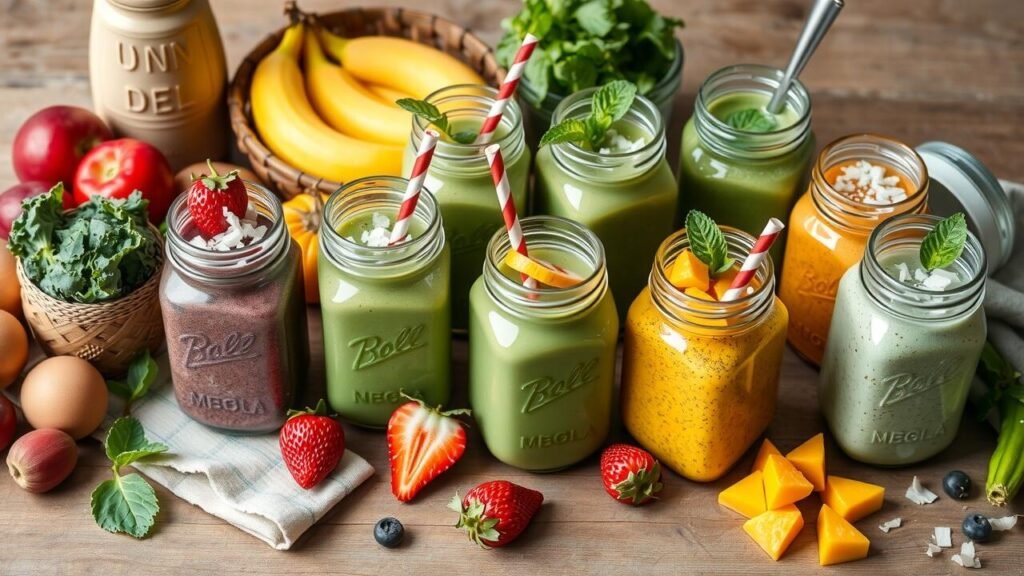
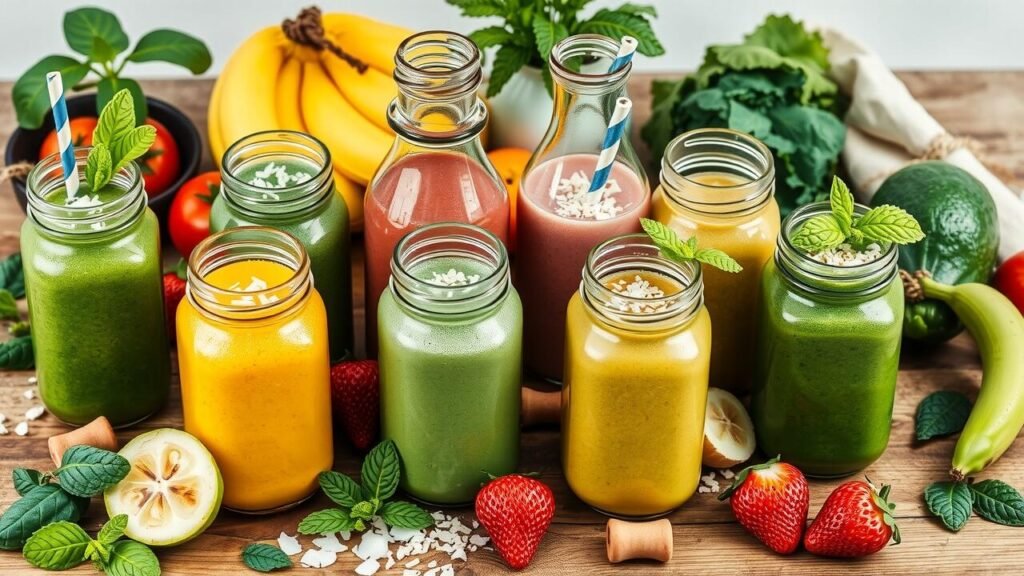
Health Benefits of Dairy-Free Smoothies
Dairy-free smoothies offer a variety of health benefits that make them an excellent addition to any dietary plan. These smoothies are often made with plant-based ingredients such as almond milk, coconut yogurt, or soy products, which can be easier on the digestive system. Many individuals who are lactose intolerant or have dairy allergies can enjoy these smoothies without adverse effects, allowing them to reap the nutritional benefits of fruits, vegetables, and added protein sources.
In addition to being a safe alternative for those avoiding dairy, these smoothies can be rich in essential nutrients. By incorporating a mix of colorful fruits and leafy greens, one can amplify the antioxidant content. Plant-based proteins, such as pea protein or hemp seeds, can be included to create a satisfying and nutrient-dense meal replacement. This blend not only promotes digestive health but also supports energy levels throughout the day.
Boosting Your Diet with Nutrient-Rich Ingredients
Incorporating nutrient-rich ingredients into smoothies can significantly enhance their health benefits. Leafy greens like spinach or kale add essential vitamins and minerals while keeping the calorie count low. Fruits such as berries, bananas, and mangoes offer antioxidants, natural sweetness, and fiber. These additions contribute not only to flavor but also to a more balanced nutrient profile, making the smoothie more satisfying.
Proteins play a crucial role in achieving a well-rounded smoothie. Options like plant-based protein powders, almond butter, or tofu can increase the protein content. Additionally, seeds such as chia or flaxseed provide omega-3 fatty acids and further fiber. This combination creates a thick, creamy texture and ensures that the smoothie can serve as a meal replacement or a robust snack.
Customizing Your Smoothie Recipe
Personalization is key when it comes to crafting the perfect smoothie. Start by selecting a base that suits your taste and dietary needs. Options like almond milk, oat milk, or coconut yogurt can offer unique flavors and textures. You can add fruits to enhance sweetness, such as ripe bananas, berries, or mangoes. These ingredients not only infuse your smoothie with natural sugars but also contribute essential vitamins and antioxidants.
Exploring different protein sources can elevate your dairy-free creation. Consider incorporating plant-based protein powders, nut butters, or seeds to boost the nutritional content. Greens like spinach or kale can add a healthful touch without overpowering the flavor. Experimenting with spices such as cinnamon or ginger can introduce new dimensions to your smoothie. Adjusting the proportions allows you to tailor the consistency and taste to your liking.
Tips for Personalizing Your Ingredients
Experimenting with different fruits is a great way to create unique flavors in your smoothies. Choose seasonal options for freshness and variety. Frozen fruits can add a thicker texture, while fresh fruits provide vibrant color and taste. Consider pairing tangy berries with creamy banana or using tropical fruits like mango and pineapple for an exotic twist.
Incorporating additional ingredients can significantly enhance the nutritional profile of your smoothie. Adding a scoop of protein powder or a spoonful of nut butter boosts the protein content. Superfoods like chia seeds, flaxseeds, or spirulina offer extra nutrients and can contribute to a creamy consistency. Don’t hesitate to adjust the sweetness with natural options like maple syrup or agave nectar according to your taste preferences.
Pairing Smoothies with Other Foods
Smoothies can serve as a versatile addition to meals, offering both convenience and flavor. They can easily complement a range of dishes, enhancing not only the overall taste but also boosting nutritional value. Pairing a thick, creamy smoothie with whole-grain toast topped with avocado creates a satisfying breakfast. Likewise, a hearty salad accompanied by a tangy smoothie can make for a refreshing lunch that balances textures and flavors beautifully.
When considering what to serve alongside your smoothie, think about contrasting flavors and nutritional profiles. A smoothie can provide a refreshing palate cleanser next to spicy dishes or serve as a delightful dessert replacement after a savory meal. Adding nuts or seeds to your smoothie can also enhance the meal’s protein content when enjoyed as part of a larger snack spread.
Complementary Meals to Enjoy with Your Smoothie
A dairy-free yogurt smoothie can serve as a nourishing addition to various meals throughout the day. For breakfast, pairing it with oatmeal or a slice of whole-grain toast topped with avocado can provide a well-rounded start. The combination of fiber, healthy fats, and protein creates lasting energy, making it easier to power through the morning.
Lunchtime offers a chance to enjoy your smoothie alongside a fresh salad or a grain bowl filled with quinoa and mixed vegetables. These pairings create a balanced meal that is not only satisfying but also rich in vitamins and minerals. Adding nuts or seeds to your salad can enhance the crunch while complementing the creamy texture of the smoothie.
FAQS
What are the health benefits of dairy-free smoothies?
Dairy-free smoothies can provide essential nutrients, support digestion, and may be easier to digest for those with lactose intolerance. They can also be lower in calories and fat compared to traditional smoothies.
How can I boost my dairy-free yogurt smoothie with nutrient-rich ingredients?
You can enhance your smoothie by adding ingredients such as spinach, kale, chia seeds, nut butters, or fruits like berries and bananas, which are all rich in vitamins, minerals, and antioxidants.
What are some tips for customizing my dairy-free yogurt smoothie recipe?
Experiment with different dairy-free yogurt brands, adjust the thickness by varying the amount of liquid, and incorporate flavors like vanilla, cinnamon, or cocoa powder to personalize your smoothie.
What foods pair well with dairy-free yogurt smoothies?
Smoothies can be complemented with whole grain toast, oatmeal, or a side of fresh fruit. They also pair nicely with nut bars or a light salad for a balanced meal.
Can I store leftover dairy-free yogurt smoothies?
Yes, you can store leftover smoothies in an airtight container in the refrigerator for up to 24 hours. However, it’s best to consume them fresh to enjoy optimal flavor and nutritional benefits.
Related Links
Vegan Blender Recipes: NutriBullet-Friendly Smoothies & Tips
Vegan NutriBullet Recipes: 25 Smoothies That Blend Fast
NutriBullet Vegan Recipes: Beginner-Friendly Picks
Best Dairy Free Milk for Smoothies: Taste + Texture Guide
How to Make a Thick Vegan Smoothie (Without Ice Overload)
Smoothie Prep for Busy Weeks: Freeze Packs That Work
Vegan Yogurt Smoothie: Best Bases + Add-Ins
Vegan Smoothie Ingredients: Portion Guide for Consistent Results