Popular High Protein Low Carb Vegan Smoothie Recipes
Simplify Healthy Eating With Smoothies
- You get practical smoothie ideas that fit a busy schedule
- You get colorful recipes with full-photo inspiration and easy guidance
- You learn how to make smoothies that feel indulgent while staying nutritious
Creating a delicious high protein low carb vegan smoothie can be both simple and satisfying. One popular combination includes spinach, unsweetened almond milk, and a scoop of pea protein powder. This blend not only keeps the carb count low but also packs a nutrient-dense punch. Adding a tablespoon of almond butter enhances the creaminess and boosts the protein content, making it a perfect pre- or post-workout option.
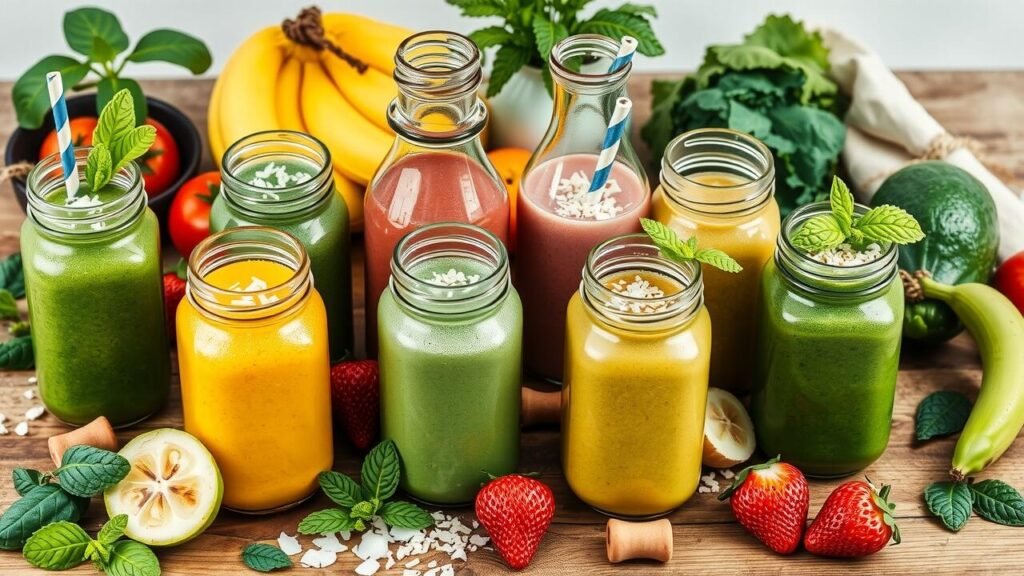
Another enticing recipe features kale, coconut water, and hemp seeds. The kale provides antioxidants while coconut water adds hydration. This combination offers a refreshing taste and a smooth texture. For those who prefer a hint of sweetness, a few slices of cucumber or a dash of vanilla extract can elevate the flavor without adding extra carbs. Crafting these smoothies allows for flexibility based on personal preferences and nutritional goals.
Recipe Breakdown for Each Ingredient
Choosing the right ingredients is crucial for crafting a high protein low carb vegan smoothie. Begin with a base like unsweetened almond or coconut milk, which provides low calories and enhances the creamy texture without adding sugars. Incorporating protein sources such as pea protein powder or hemp seeds contributes to the overall protein content, while also offering a rich array of essential amino acids.
Adding leafy greens, such as spinach or kale, not only boosts the nutritional profile but also ensures a low carbohydrate count. To enhance flavor without increasing carbs, consider unsweetened cocoa powder or vanilla extract. Lastly, a small serving of berries can offer sweetness and antioxidants while keeping carbohydrates in check, making them a favorable choice for a balanced smoothie.
Nutritional Considerations
When crafting a high protein low carb vegan smoothie, it’s essential to prioritize the balance of macronutrients. Protein is crucial for muscle repair and satiety, while keeping carbohydrate content in check can support various dietary goals. Incorporating plant-based protein sources such as pea protein or hemp seeds can enhance the nutrient profile without significantly increasing carbohydrate levels. It’s also beneficial to include healthy fats, such as avocado or nut butter, to further promote fullness and provide essential fatty acids.
Vitamins and minerals should not be overlooked when planning your smoothie. Adding leafy greens like spinach or kale contributes essential micronutrients without adding substantial calories or carbohydrates. Choosing low-sugar fruits, such as berries, can provide antioxidants while maintaining the desired macronutrient ratios. Lastly, be mindful of portion sizes to ensure the overall nutritional content aligns with your dietary objectives while keeping the smoothie enjoyable and satisfying.
Balancing Macronutrients in Your Smoothie
Striking a balance between macronutrients is essential when crafting a high-protein, low-carb vegan smoothie. Protein powder, such as pea or hemp, serves as a key ingredient, providing ample protein to support muscle growth and repair. Incorporating a variety of leafy greens, like spinach or kale, contributes fiber and essential vitamins while keeping carbohydrate content low. Nuts and seeds, though higher in calories, add healthy fats and enhance the smoothie’s satiating qualities, which can further assist in maintaining energy levels throughout the day.
In addition to proteins, it’s vital to be mindful of carbohydrate sources. Opting for lower-carb fruits like berries can offer sweetness without spiking blood sugar levels. Avocado can also be an excellent addition, supplying healthy fats and a creamy texture without adding excess carbs. Adjusting the ratios of these components allows for personalized smoothies that align with individual nutritional goals while ensuring a flavorful experience.
Boost Your Energy The Easy Way
- You learn how to make low-sugar, high-fiber smoothies that still taste great
- You can reduce food waste by using frozen fruits and vegetables wisely
- You can enjoy plant-based options that feel satisfying instead of restrictive
Tips for Meal Prep with Smoothies
Preparing smoothies in advance can save time and ensure you have healthy options available throughout the week. One effective method is to pre-portion your ingredients into freezer bags. Simply add your fruits, vegetables, and protein sources to each bag, seal them tightly, and freeze. This way, you can quickly blend your smoothie by just adding the contents of a bag to your blender along with your preferred liquid base.
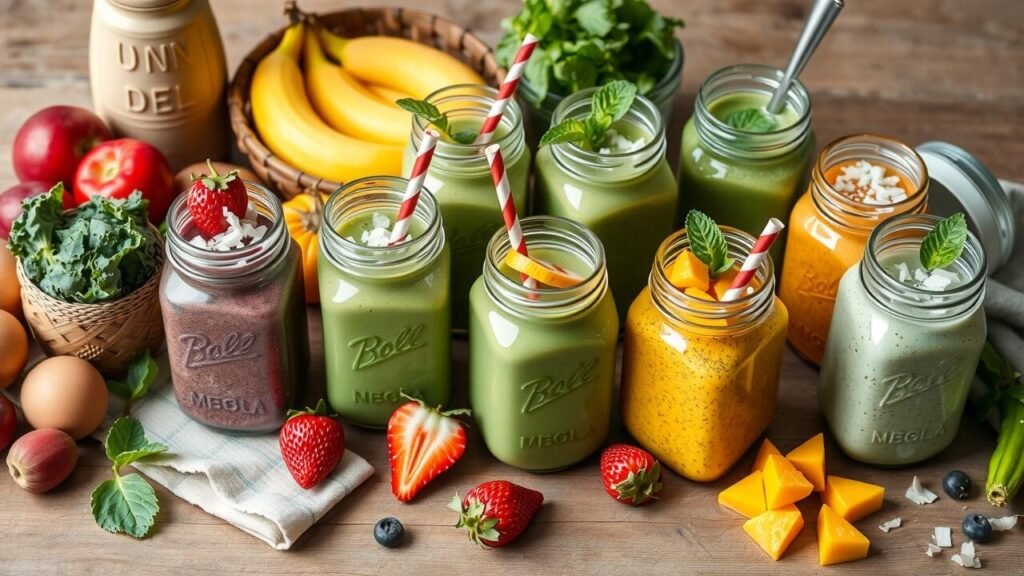
Another convenient approach involves using mason jars or airtight containers to assemble your smoothies. Layer your ingredients starting with the liquid, followed by softer items, and then top with frozen fruits or greens. This helps to prevent separation and keeps everything fresh. Store your jars in the refrigerator, and you’ll have ready-to-blend smoothies at your fingertips.
Preparing Smoothies in Advance
Making smoothies in advance can be a time-saver for busy mornings or post-workout routines. Start by preparing your ingredients ahead of time. This can involve chopping fruits and vegetables, measuring out protein powders, or portioning nuts and seeds into individual bags. Storing these prepped items in the refrigerator or freezer keeps them fresh and ready to blend when you need them.
When it comes to blending, consider making larger batches that can be portioned out. Use airtight containers to store smoothies in the fridge for up to 48 hours. If you’re freezing them, pour your smoothie into ice cube trays or silicone molds for easy, single-serving portions. Thaw or blend these cubes with additional liquid when you’re ready to enjoy your smoothie. This approach not only helps with meal prep but also ensures you have nutritious options at your fingertips.
FAQS
What are the benefits of a high protein low carb vegan smoothie?
High protein low carb vegan smoothies can help support muscle growth and recovery, promote satiety, and assist in weight management by providing essential nutrients while minimizing carbohydrate intake.
Which ingredients can I use to increase the protein content of my vegan smoothie?
You can use ingredients like pea protein powder, hemp seeds, almond butter, chia seeds, or silken tofu to boost the protein content of your smoothie.
How can I make sure my smoothie stays low in carbs?
To keep your smoothie low in carbs, focus on using non-starchy vegetables like spinach or kale, limit high-sugar fruits, and choose low-carb liquids such as unsweetened almond milk or coconut water.
Can I prepare my high protein low carb vegan smoothies in advance?
Yes, you can prepare smoothies in advance by blending the ingredients and storing them in airtight containers in the refrigerator. It’s best to consume them within 24 hours for optimal freshness and nutrient retention.
What is the ideal macronutrient ratio for a high protein low carb vegan smoothie?
A common macronutrient ratio for a high protein low carb vegan smoothie is approximately 30% protein, 60% fat, and 10% carbohydrates, but this can vary based on individual dietary needs and goals.
Related Links
Vegan Keto Smoothies: Low-Carb Recipes That Stay Creamy
Vegan Keto Smoothie Recipes: 10 Low-Carb Templates
Vegan Keto Protein Shake: Powder + No-Powder Options
Keto Vegan Smoothie: Best Fruits, Fats & Thickeners
Vegan Keto Green Smoothie: Lowest-Carb Greens + Fats
Vegan Keto Breakfast Smoothie: Fast, Filling, Low Carb
Low Carb Vegan Smoothies: What to Use Instead of Banana
Vegan Keto Shake Powder: What to Look For (and Avoid)
Blend Smarter On A Vegan Diet
- You get 80+ vegan smoothie recipes made with clean, plant-based ingredients
- You see which vegetables work best in smoothies and how to pair flavors
- You get colorful recipes with full-photo inspiration and easy guidance