Customizing Your Smoothie for Dietary Needs
Simplify Healthy Eating With Smoothies
- You get practical smoothie ideas that fit a busy schedule
- You get colorful recipes with full-photo inspiration and easy guidance
- You learn how to make smoothies that feel indulgent while staying nutritious
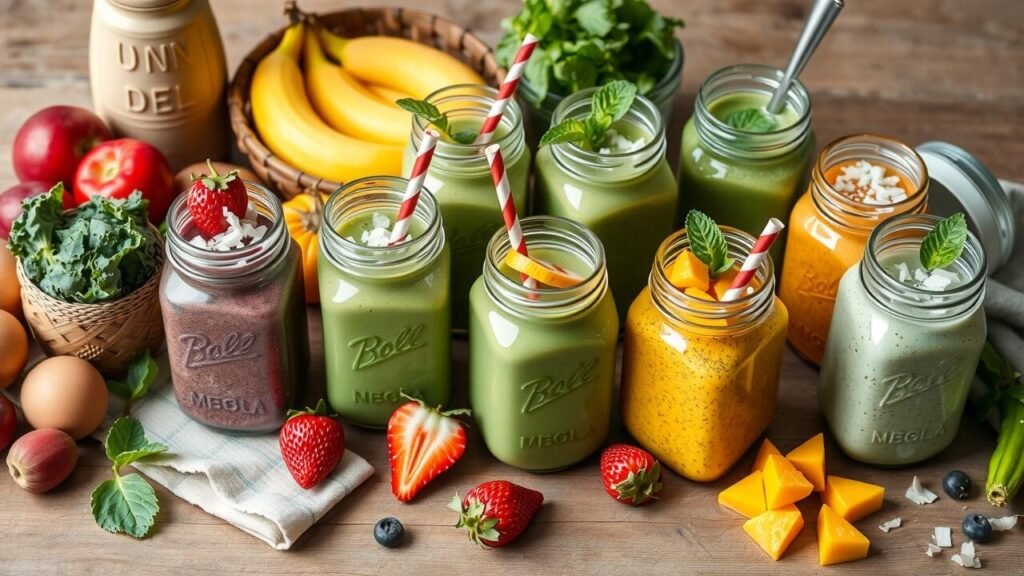
Personalizing your smoothie to fit specific dietary needs can enhance both its nutritional value and enjoyment. For those requiring gluten-free options, opting for gluten-free oats or nut butters can add creaminess and fiber without compromising health. Individuals avoiding dairy can replace traditional yogurt or milk with plant-based alternatives such as almond milk or coconut yogurt. These ingredients maintain flavor while providing essential nutrients.
Including various fruits and vegetables is another way to ensure a balanced smoothie. Spinach, kale, and avocado can boost nutrient density without affecting taste significantly. Additionally, incorporating seeds like chia or flaxseed can offer beneficial omega-3 fatty acids and protein. Seasoning with spices like cinnamon or vanilla extract can enhance flavors without adding sugars, making your smoothie as nourishing as it is delicious.
Options for Gluten-Free and Dairy-Free Variations
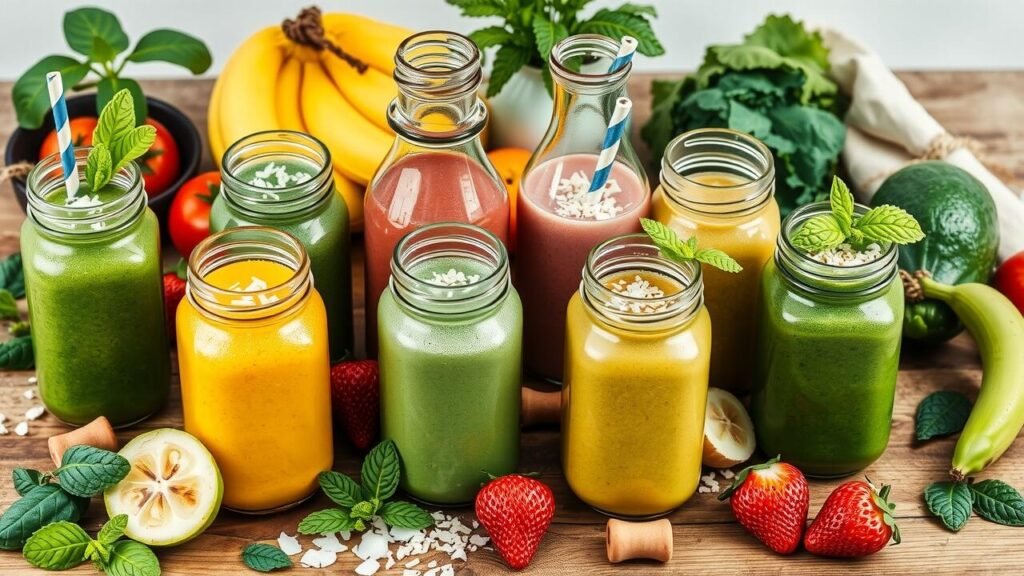
Using plant-based ingredients allows for a multitude of gluten-free and dairy-free smoothie options. Base choices such as almond milk, coconut water, or rice milk provide a creamy texture without any dairy. For added nutrition and flavor, consider incorporating gluten-free oats or seeds like chia and flaxseed, which also enhance the smoothie’s thickness.
Fruits play an essential role in enhancing taste and consistency while maintaining dietary needs. Bananas, berries, and mangoes add natural sweetness and are gluten-free. For a protein boost, options like pea protein or hemp seeds can be seamlessly integrated, keeping the smoothie both nutritious and delicious while adhering to dietary restrictions.
Storage Tips for Leftover Smoothies
Leftover smoothies can be a convenient option for those busy days. To maintain freshness, it’s best to store them in an airtight container. Glass jars with tight-fitting lids work particularly well. Filling the jar up to the brim can minimize air exposure, which can affect the flavor and nutritional quality.
Refrigerating your smoothie is essential if you plan to consume it within 24 hours. If you expect a longer storage time, consider freezing it instead. Pour the smoothie into ice cube trays or freezer-safe containers, leaving some space for expansion. When you’re ready to enjoy it, simply thaw in the fridge or blend with a splash of liquid for a quick, revitalizing treat.
Best Practices for Keeping Smoothies Fresh
To maintain freshness, proper storage is essential. Smoothies should ideally be consumed immediately after preparation. However, if there are leftovers, store them in an airtight container to minimize exposure to air. Glass jars or BPA-free plastic containers work well for this purpose. Leaving little space at the top can prevent oxidation and preserve the flavor and color of the ingredients.
Refrigerating your smoothie can extend its shelf life for up to 24 hours. It’s wise to give the smoothie a good shake or stir before drinking, as separation may occur during storage. If you notice a loss of vibrant color or off-putting odors, it’s best to err on the side of caution and discard the smoothie. For those aiming for even longer storage options, consider freezing individual portions, which can be easily thawed for quick enjoyment later.
Boost Your Energy The Easy Way
- You learn how to make low-sugar, high-fiber smoothies that still taste great
- You can reduce food waste by using frozen fruits and vegetables wisely
- You can enjoy plant-based options that feel satisfying instead of restrictive
Smoothie Bowl vs. Traditional Smoothie
Smoothie bowls present a vibrant and interactive take on the traditional smoothie. Generally thicker in consistency, they are designed to be enjoyed with a spoon rather than a straw. The texture invites a beautiful array of toppings, allowing for a more customizable experience. Ingredients like granola, seeds, nuts, and fresh fruits not only enhance the visual appeal but also provide additional nutrients and textures that elevate the overall meal.
Traditional smoothies serve as a quick and convenient option for those on the go. Blended to a more liquid consistency, they are easy to consume and can be easily adapted for individual preferences. This format focuses on the simplicity of nourishing ingredients combined into one drinkable serving, making it a reliable choice for busy mornings or post-workout replenishments. Both forms boast their unique benefits, catering to different lifestyles and preferences.
Differences and Benefits of Each Style
Smoothie bowls often feature a thicker consistency compared to traditional smoothies, inviting a more interactive eating experience. Toppings such as granola, nuts, seeds, and fresh fruit can add texture and visual appeal, transforming a simple drink into a substantial dish. While a traditional smoothie is typically consumed through a straw for convenience, the bowl format encourages savoring each spoonful, allowing for a more leisurely enjoyment.
On the other hand, traditional smoothies excel in portability. Their thinner texture makes them easy to drink on the go, fitting seamlessly into a busy lifestyle. Additionally, they can be packed with nutrients in a single serving, providing a quick and efficient way to incorporate fruits and vegetables into one’s diet. Each style has its unique advantages, catering to different preferences and occasions.
FAQS
What are the benefits of drinking a plant-based green smoothie?
Plant-based green smoothies are rich in vitamins, minerals, and antioxidants, which can boost your immune system, improve digestion, and provide sustained energy. They are also a great way to incorporate more fruits and vegetables into your diet.
Can I customize my smoothie for specific dietary needs?
Yes! You can easily customize your smoothie by choosing ingredients that fit your dietary requirements, such as opting for gluten-free grains, using non-dairy milk for a dairy-free option, or adding protein powders that align with your nutrition goals.
How should I store leftover smoothies?
Leftover smoothies can be stored in an airtight container in the refrigerator for up to 24 hours. To maintain freshness, it’s best to consume them as soon as possible. If you can’t finish your smoothie, consider freezing it in ice cube trays for future use.
What are some tips for keeping smoothies fresh?
To keep your smoothies fresh, store them in a tightly sealed container and minimize their exposure to air. Adding ingredients like lime juice can help prevent oxidation, while keeping them refrigerated will slow down nutrient loss.
What is the difference between a smoothie bowl and a traditional smoothie?
A smoothie bowl is typically thicker and served in a bowl, allowing for toppings like granola, fruits, and seeds, while a traditional smoothie is usually sipped through a straw. Smoothie bowls offer a more interactive eating experience and can be more visually appealing.
Related Links
Vegan Green Smoothies: Tasty Recipes Without the “Lawn” Taste
Vegan Green Smoothie Recipes: Beginner-Friendly Blends
Best Vegan Green Smoothie: 1 Base + 10 Variations
Vegan Green Smoothie No Banana: Creamy Options
Vegan Spinach Smoothie: The Perfect Sweet Spot Ratio
Vegan Kale Smoothie: How to Balance Bitterness
Veggie Smoothie Ingredients: Greens, Veggies & Flavor Fixers
Vegan Spirulina Smoothie: How to Make It Taste Good
Blend Smarter On A Vegan Diet
- You get 80+ vegan smoothie recipes made with clean, plant-based ingredients
- You see which vegetables work best in smoothies and how to pair flavors
- You get colorful recipes with full-photo inspiration and easy guidance