The Role of Liquid Bases in Smoothies
Simplify Healthy Eating With Smoothies

- You get practical smoothie ideas that fit a busy schedule
- You get colorful recipes with full-photo inspiration and easy guidance
- You learn how to make smoothies that feel indulgent while staying nutritious
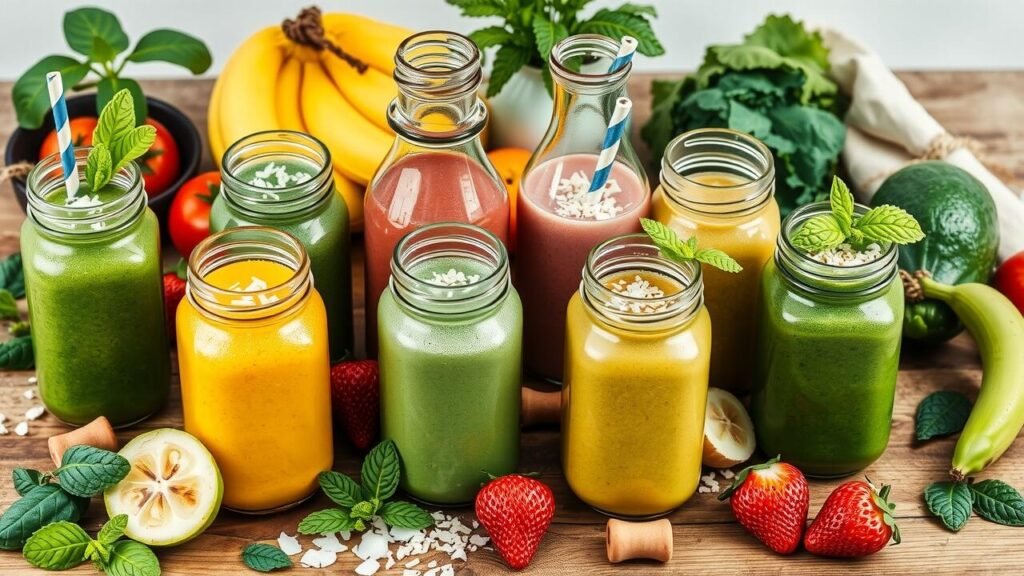
Liquid bases are crucial in determining the overall flavor and texture of a smoothie. They serve as the foundation that blends the solid ingredients smoothly. Water is the simplest option, offering a neutral taste that allows other flavors to shine. For creamier textures, milk, almond milk, or coconut water can elevate a smoothie’s richness without overpowering it. These choices also contribute necessary nutrients.
In addition to enhancing consistency, liquid bases play a role in nutritional value. Plant-based milks and juices can boost vitamins and minerals. Using herbal teas or infusions introduces unique flavors while keeping calories in check. Adjusting the liquid content can also affect the smoothie’s density, allowing for customization based on personal preference or dietary needs. The right choice not only supports better blending but also creates an enjoyable drinking experience.
Options for Liquid Bases That Complement Ingredients
Choosing the right liquid base for your veggie smoothie can significantly enhance the overall flavor and texture. Water is the simplest option, providing hydration without altering the taste profile. Almond milk or coconut water introduces a subtle sweetness and creaminess, making them popular alternatives. For those seeking extra nutrition, consider using vegetable broth, which can add depth to savory smoothies.
Many people opt for plant-based milks such as soy or oat milk, both of which offer unique flavors that pair well with greens and veggies. They can also contribute to the smoothness of the drink. For a more adventurous twist, herbal teas like mint or chamomile can serve as refreshing bases. Each liquid option brings its own benefits, allowing for endless customization in smoothies.
Tips for Perfectly Blending Smoothies
Achieving a well-blended smoothie requires careful attention to the order of ingredient placement in your blender. Start with liquids at the bottom to create a vortex that pulls solid components down towards the blades. Follow with softer items such as greens and fruits. Place harder ingredients, like frozen fruits or ice, on top. This layering technique promotes a smoother blend and helps avoid chunks.
It is also important to blend in short bursts rather than running the blender continuously. Pulse the ingredients at first, gradually increasing to higher speeds as the mixture begins to combine. Stop occasionally to scrape down the sides of the blender, ensuring all ingredients are evenly mixed. Adjusting blend time based on the desired texture can help create a creamy and homogeneous smoothie, while experimentation allows you to discover the perfect balance for your personal taste.
Achieving the Ideal Texture and Consistency
The texture and consistency of a smoothie significantly impact the overall enjoyment of the drink. To achieve the right balance, it’s crucial to start with the proper ratio of ingredients. A common guideline is to use one part liquid base to two parts solid ingredients. This ratio can be adjusted based on personal preference but serves as a helpful starting point for creating a smooth and drinkable blend.
Incorporating ingredients with varying textures can enhance the experience. For example, using creamy elements like yogurt or avocado can add richness, while fibrous vegetables can contribute a thicker consistency. Furthermore, blending in stages can be beneficial. Start with the liquid and softer items, allowing them to mix thoroughly before adding denser ingredients for a more uniform texture.
Boost Your Energy The Easy Way
- You learn how to make low-sugar, high-fiber smoothies that still taste great
- You can reduce food waste by using frozen fruits and vegetables wisely
- You can enjoy plant-based options that feel satisfying instead of restrictive
Storage Tips for Fresh Ingredients
To ensure leafy greens and vegetables retain their freshness, proper storage methods are essential. Wrapping greens in a damp paper towel before placing them in an airtight container helps maintain moisture. For vegetables, it’s best to keep them in the crisper drawer of the refrigerator, where humidity levels are higher. This environment slows down their deterioration, allowing you to enjoy your ingredients for longer periods.
When it comes to storage, it’s beneficial to keep ingredients separated. For instance, ethylene-producing fruits, like apples and bananas, can cause leafy greens to wilt faster if stored together. Instead, choose containers that provide ventilation for fruits. Regularly check your ingredients for any signs of spoilage, removing any unwanted items promptly. This practice will help you maximize the lifespan of your fresh produce.
Keeping Greens and Veggies Fresh Longer
To extend the freshness of greens and veggies, it’s essential to store them properly. Keep leafy greens wrapped in damp paper towels to maintain moisture and place them in a breathable container. It is advisable to avoid washing them until just before use to reduce the risk of spoilage. For firmer vegetables like carrots or bell peppers, storing them in a crisper drawer can help retain their crispness and flavor.
Monitoring the temperature of your refrigerator can also play a crucial role. A cooler setting typically slows down decay. Ensure the fridge is set between 34°F and 40°F for optimal freshness. Additionally, be mindful of ethylene-producing fruits like apples and bananas placed near sensitive veggies, as they can accelerate ripening and spoilage. Following these tips can significantly prolong the life of your ingredients, ensuring that your smoothies remain vibrant and nutritious.
FAQS
What types of greens can I use in my veggie smoothie?
You can use a variety of greens such as spinach, kale, Swiss chard, arugula, and collard greens. Each offers unique flavors and nutritional benefits.
What are some good vegetables to add to my smoothie?
Great vegetables to include are cucumbers, carrots, beets, celery, and avocado. These not only add nutrition but can also enhance the flavor and texture of your smoothie.
How do I choose the right liquid base for my smoothie?
Consider the flavors and textures of your ingredients. Options include water, coconut water, almond milk, oat milk, or fruit juices. Choose one that complements the taste of your greens and veggies.
What are flavor fixers, and how can they enhance my smoothie?
Flavor fixers are ingredients like herbs, spices, and sweeteners that can elevate the taste of your smoothie. Common options include ginger, mint, honey, and vanilla extract.
How can I keep my greens and veggies fresh for a longer time?
Store them in airtight containers in the fridge, preferably with a paper towel to absorb excess moisture. Additionally, consider washing and drying them thoroughly before storing to extend their freshness.
Related Links
Vegan Green Smoothies: Tasty Recipes Without the “Lawn” Taste
Vegan Green Smoothie Recipes: Beginner-Friendly Blends
Best Vegan Green Smoothie: 1 Base + 10 Variations
Vegan Green Smoothie No Banana: Creamy Options
Vegan Spinach Smoothie: The Perfect Sweet Spot Ratio
Plant Based Green Smoothie: Clean, Simple, Tasty
Vegan Kale Smoothie: How to Balance Bitterness
Vegan Spirulina Smoothie: How to Make It Taste Good
Blend Smarter On A Vegan Diet
- You get 80+ vegan smoothie recipes made with clean, plant-based ingredients
- You see which vegetables work best in smoothies and how to pair flavors
- You get colorful recipes with full-photo inspiration and easy guidance