How to Read Vegan Food Labels for Weight Loss Success
Learning how to read vegan food labels is essential for your weight loss success. You might be surprised by how many seemingly healthy options are hiding non-vegan ingredients.
Understanding the labels can empower you to make better choices that align with your dietary goals. With helpful resources like One Month Vegan and The Complete Plant Based Recipes, you'll find it easier to stay on track and enjoy delicious meals.
Disclosure: This post may contain affiliate links. If you buy through them, we may earn a commission at no extra cost to you.
Note: This content is for informational purposes only and is not medical advice. If you have a medical condition, are pregnant/nursing, or take medication, talk to a qualified professional before using supplements.
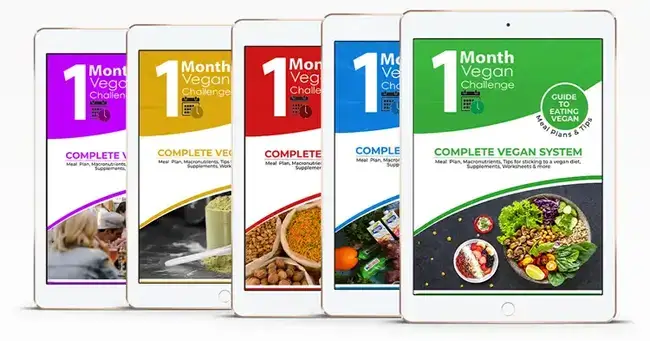
- Over 253,236 people have succeeded!
- Step-by-step meal plans for every day.
- Simple tips for a smooth transition.
- Discover delicious vegan recipes easily.
- If you want the fastest route: see the best options and match one to your needs.
- If you’re choosing between two finalists: use the comparison to decide faster.
- For the “start here” option: check the recommended pick.
- If symptoms are intense or persistent, consider talking to a clinician.
Explore: Roundup | Comparison | Top Pick Review | Alternative Review | Also Consider Review
Quick Answer: Reading Vegan Labels Effectively
- Check for a vegan certification label.
- Read the ingredients list thoroughly.
- Look for hidden sugars and additives.
- Identify key vegan protein sources.
- Be aware of potential allergens.
- Understand serving sizes and nutritional information.
- Choose whole foods whenever possible.
Short on time? See the best options → | Compare top picks →
Learning how to read vegan food labels is essential for successful weight loss. It helps you make informed choices about what you eat. This knowledge is crucial for selecting the best vegan weight loss foods.
Understanding Vegan Ingredients: What to Look For
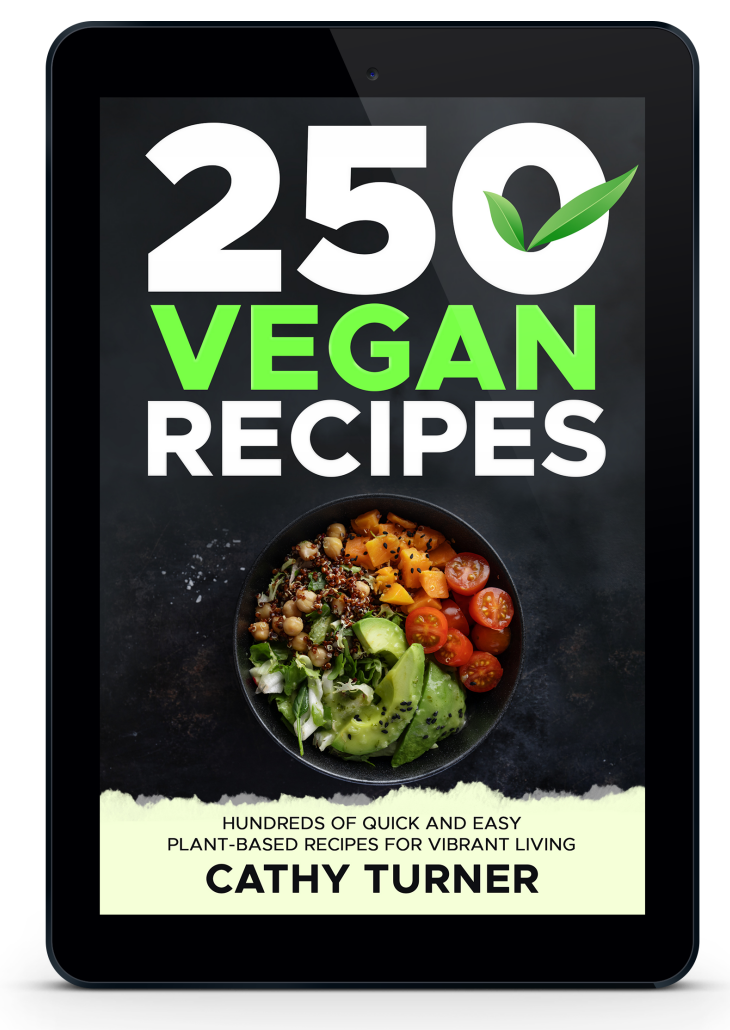
- Variety for every meal and occasion
- Easy recipes for all skill levels
- Nutritionally balanced plant-based options
- Fresh ideas to inspire your cooking
When examining vegan food labels, focus on the ingredients. Look for whole foods like fruits, vegetables, grains, and legumes. These are often the best vegan ingredients to choose.
Avoid processed foods that contain artificial additives. These can hinder your weight loss efforts. Always prioritize natural ingredients.
Steps to Identify Vegan Protein Sources
- Start with the ingredients list.
- Look for words like “soy,” “pea,” or “lentil.”
- Check for protein content in the nutritional information.
- Identify if the product includes nuts or seeds.
- Research unfamiliar ingredients to ensure they are vegan.
- Choose products with a higher protein-to-calorie ratio.
- Make a list of reliable vegan protein sources.
These steps will help you find vegan protein sources for weight loss that fit your dietary needs.
Common Mistakes When Reading Vegan Labels
- Assuming all plant-based products are healthy.
- Ignoring serving sizes on the label.
- Overlooking added sugars and preservatives.
- Not checking for allergens in vegan options.
- Focusing solely on calories instead of nutrition.
Avoiding these mistakes can enhance your understanding of vegan food options.
Unlock your culinary potential → →
Top Vegan Foods for Weight Loss Success
Incorporate these foods into your diet for effective weight loss:
- Quinoa: A complete protein and fiber-rich grain.
- Chickpeas: Versatile and filling for various dishes.
- Leafy greens: High in nutrients and low in calories.
- Nuts and seeds: Healthy fats that promote satiety.
- Fruits: Natural sweetness and essential vitamins.
These top vegan snacks for weight loss can help you stay satisfied and energized.
Navigating Allergies with Vegan Options
When choosing vegan foods, it’s crucial to consider allergies. Many vegan products can contain common allergens such as nuts, soy, and gluten. Always read labels carefully to avoid these ingredients.
Look for allergen statements on packaging. This ensures you are aware of any potential risks.
Best Practices for Vegan Meal Prep
Meal prep is essential for maintaining a vegan diet. Start by planning your meals for the week. Choose recipes that incorporate a variety of ingredients to ensure balanced nutrition.
Batch cooking can save time and help you stay on track. Store meals in portioned containers for easy access during the week.
Invest in quality storage containers to keep your food fresh.
Healthy Vegan Snacks to Keep You on Track
Snacking can be an integral part of your weight loss journey. Choose snacks that are nutritious and satisfying. Here are some ideas:
- Hummus with vegetable sticks.
- Fruit smoothies with spinach and almond milk.
- Roasted chickpeas seasoned with spices.
- Nuts and dark chocolate for a sweet treat.
- Homemade energy bars with oats and nut butter.
These options can keep you energized without derailing your goals.
What to Do Next: Your Vegan Journey
Embarking on a vegan journey can be fulfilling. Start by incorporating more plant-based meals into your diet. Experiment with different recipes to find what you enjoy.
Join online communities for support and inspiration. Tracking your progress can also motivate you to stay committed.
What should I look for on vegan food labels?
Look for a vegan certification, a clear ingredient list, and nutritional information. Focus on whole foods and avoid artificial additives.
How can I avoid allergens in vegan products?
Always read labels for allergen warnings. Familiarize yourself with common allergens found in vegan products.
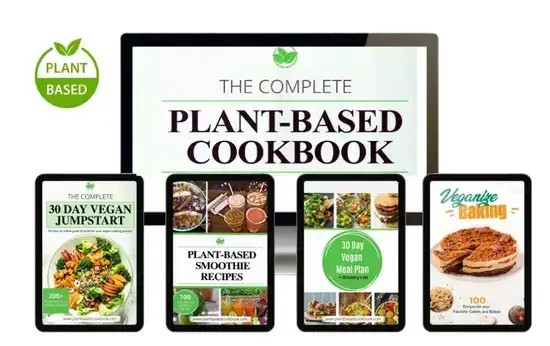
- 200+ easy, flavorful recipes
- Perfect for beginners and busy schedules
- No hard-to-find ingredients required
- Global flavors to enjoy every day