Ingredients for a Rest Day Smoothie
Simplify Healthy Eating With Smoothies
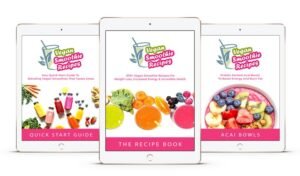
- You get practical smoothie ideas that fit a busy schedule
- You get colorful recipes with full-photo inspiration and easy guidance
- You learn how to make smoothies that feel indulgent while staying nutritious
A well-rounded rest day smoothie should prioritize ingredients that support recovery and replenish nutrients. Start with a base of plant-based milk, such as almond or oat milk, for a creamy texture. Incorporating a banana adds natural sweetness along with potassium, which is essential for muscle function. A scoop of vegan protein powder contributes to muscle repair, while adding spinach or kale provides vitamins and minerals that aid in recovery.
For healthy fats, consider adding avocado or a spoonful of nut butter. These ingredients not only enhance flavor but also promote satiety and provide energy without unnecessary sugars. To boost hydration, consider including coconut water or a handful of berries, which are rich in antioxidants. This combination of ingredients ensures a nutrient-dense smoothie, ideal for optimizing recovery on rest days.
Focus on Recovery and Hydration
Recovery after intense training is essential for muscle repair and overall performance. A well-crafted vegan bulking smoothie on rest days can play a pivotal role. Prioritizing hydration is crucial, as the body loses fluids during workouts that need to be replenished. Including hydrating ingredients like coconut water or water-rich fruits can enhance recovery.
Incorporating electrolytes can also support optimal hydration. Smoothies can be enriched with natural sources of potassium and magnesium, such as bananas and dark leafy greens. These nutrients contribute to muscle function and help prevent cramps. By focusing on hydration and nutrient density, a rest day smoothie becomes an effective tool for rejuvenation and contributes to long-term fitness goals.
Preparing Smoothies for Rest Days
Rest days provide an excellent opportunity to focus on nutrition that supports recovery. Smoothies designed for these days should emphasize hydration and nutrient density. Incorporating ingredients like coconut water or aloe vera can help replenish lost electrolytes. Leafy greens such as spinach or kale add vital vitamins and minerals while keeping the calorie count moderate.
Fruits like bananas or berries can offer natural sweetness as well as antioxidants. Blending in nut butters or seeds can introduce healthy fats and additional protein, promoting muscle repair without overwhelming the digestive system. A well-rounded smoothie will not only aid in recovery but also keep energy levels stable, making it easier to transition back into training when the next workout day arrives.
Nutrient Timing for Optimal Recovery
Optimal recovery hinges on the timing of nutrient intake. Consuming a smoothie shortly after exercise can help replenish glycogen stores and repair muscle tissue. While this principle primarily applies to training days, rest days also benefit from strategic timing. A well-planned intake of nutrients throughout the day fosters muscle recovery and enhances hydration levels, ensuring the body remains in a prime state for subsequent workouts.
On rest days, the focus shifts slightly. Smoothies can serve as a convenient way to maintain nutrient levels without excess calories. Including ingredients rich in antioxidants, vitamins, and minerals supports the body’s natural repair processes. It is equally important to distribute meals evenly throughout the day, allowing nutrients to be absorbed steadily. This approach minimizes feelings of fatigue while promoting overall well-being.
Boost Your Energy The Easy Way
- You learn how to make low-sugar, high-fiber smoothies that still taste great
- You can reduce food waste by using frozen fruits and vegetables wisely
- You can enjoy plant-based options that feel satisfying instead of restrictive
Comparing Training Day and Rest Day Smoothies
When discussing the variations in smoothies consumed on training days versus rest days, it’s essential to consider energy demands. Training days often require higher calorie intake to support intense workouts, emphasizing carbohydrates and proteins for fuel and muscle recovery. A smoothie on these days might incorporate ingredients such as bananas, oats, and plant-based protein powders, providing the necessary energy and nutrition for optimal performance.
In contrast, smoothies prepared for rest days focus more on recovery and hydration. The nutritional emphasis shifts towards replenishing electrolytes and supporting muscle repair rather than fueling for activity. Ingredients like spinach, chia seeds, and various fruits can enhance the smoothie, providing antioxidants and nutrients that aid in recovery without the high caloric load. This distinction allows athletes to balance their dietary needs effectively, ensuring they are ready for their next training session while promoting overall wellness.
Differences in Nutritional Needs
Training days typically require higher energy intake to support intense workouts and muscle recovery. Smoothies designed for these days often include ingredients rich in carbohydrates and protein, such as oats, bananas, or protein powders. This combination helps replenish glycogen stores depleted during exercise and provides the necessary building blocks for muscle repair. The focus is on fueling the body effectively to maximize performance.
On rest days, the emphasis shifts towards supporting recovery and maintaining hydration. Smoothies for these days might feature lighter ingredients, prioritizing fruits and vegetables that are high in antioxidants and vitamins. Adding elements like spinach, kale, or berries can enhance nutrient density without overwhelming calorie intake. The goal is to promote healing, maintain energy balance, and prepare the body for future training sessions.
FAQS
What are the key ingredients for a vegan bulking smoothie on a rest day?
Key ingredients typically include plant-based protein powder, bananas, nut butter, oats, spinach, and a dairy-free milk alternative. These ingredients help focus on recovery and provide essential nutrients for muscle repair.
How does a rest day smoothie differ from a training day smoothie?
A rest day smoothie often emphasizes recovery, hydration, and nutrient replenishment, while a training day smoothie may include higher carbohydrate levels to fuel workouts and support energy needs.
What is nutrient timing, and why is it important for recovery?
Nutrient timing refers to consuming specific nutrients at certain times to maximize their benefits. For recovery, timing meals or smoothies post-exercise can help replenish glycogen stores and promote muscle repair.
Can I customize my vegan bulking smoothie for different dietary needs?
Yes, you can customize your smoothie by adjusting the ingredients based on your dietary preferences, allergies, or specific nutritional goals. For example, you can substitute ingredients like protein powder or nuts to suit your needs.
How can I ensure my vegan bulking smoothie is calorie-dense enough for bulking?
To make your smoothie calorie-dense, include energy-rich ingredients such as avocados, nut butters, oats, and seeds. Additionally, using full-fat plant-based milk or adding a scoop of vegan protein powder can increase the calorie count effectively.
Related Links
High-Calorie Vegan Smoothies: Healthy Weight Gain & Bulking Recipes
High Calorie Vegan Smoothie Recipes: Thick + Easy
Vegan Weight Gain Smoothie: Best Add-Ins (No Bloating)
1000 Calorie Vegan Smoothie: When It Makes Sense
Weight Gainer Shake (Vegan): DIY Recipes That Work
High Calorie Vegan Protein Shake: Best Protein + Carb Combos
Vegan Calorie Shake: Add Calories Without Junk
High Calorie Vegan Shake: Fast Bulking Options
Blend Smarter On A Vegan Diet
- You get 80+ vegan smoothie recipes made with clean, plant-based ingredients
- You see which vegetables work best in smoothies and how to pair flavors
- You get colorful recipes with full-photo inspiration and easy guidance