Tips for Smoothie Meal Prep
Simplify Healthy Eating With Smoothies
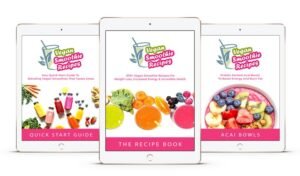
- You get practical smoothie ideas that fit a busy schedule
- You get colorful recipes with full-photo inspiration and easy guidance
- You learn how to make smoothies that feel indulgent while staying nutritious
Smoothie meal prep can transform your mornings and streamline your nutrition. Start by setting aside time each week to plan and organize your ingredients. Gather your fruits, vegetables, nuts, and seeds in advance. Using clear storage containers makes it easy to see what you have available. Consider portioning out ingredients for individual smoothies. This not only saves time but also ensures that you maintain consistent nutrient profiles in your blends.
Freezing your ingredients is another excellent strategy. Freezing ripe bananas, berries, and spinach can keep them fresh longer while enhancing the texture of your smoothies. Ice cubes made from plant-based milk can add creaminess without watering down your drink. Labeling bags or containers with the date can help you keep track of freshness. By preparing ahead, you eliminate morning stress and set yourself up for easy, delicious, and nutritious smoothies throughout the week.
How to Prepare Ingredients for Easy Blending
To achieve a smooth consistency in your vegan superfood smoothies, proper ingredient preparation is essential. Start by washing all fruits and vegetables thoroughly to remove any dirt or pesticides. Cut larger items into manageable pieces that your blender can easily process. Overly large chunks can lead to uneven blending and might leave you with undesirable texture in your finished product.
Freezing ingredients in advance can enhance the overall experience of your smoothie. Portion out your fruits and greens, then spread them on a baking sheet to freeze before transferring them to a storage bag. This method prevents them from clumping together, ensuring you can easily grab portions as needed. Utilizing frozen ingredients not only gives your smoothie a chilled, refreshing quality but also helps maintain the nutritional integrity of the produce.
Common Mistakes to Avoid
Blending smoothies can be a simple task, yet common pitfalls often compromise the nutritional value. One frequent mistake is relying too heavily on fruit for sweetness, which may lead to excess sugar intake. Balancing fruit with greens, nuts, and seeds creates a more nutrient-dense drink that also offers healthy fats and proteins. This not only contributes to improved flavor but helps sustain energy levels throughout the day.
Another common error is neglecting to use a variety of ingredients. Sticking to the same combinations can limit the range of nutrients and antioxidants that the body receives. Experimenting with different vegetables, superfoods, and even herbs can elevate the smoothie experience. By diversifying ingredients, you enhance not only the taste but also the health benefits, ensuring a more comprehensive approach to nutrition.
Pitfalls That Can Sabotage Your Smoothie
Overloading your smoothie with sweeteners can mask the natural flavors of the ingredients. Many people might instinctively add honey, agave syrup, or flavored protein powders without realizing that fruits and vegetables already provide their own sweetness. This not only detracts from the overall taste but also adds unnecessary calories and sugars that compromise the health benefits of your concoction.
Another common issue is neglecting to balance textures and flavors. A smooth and creamy consistency is ideal for enjoyable sipping, but this requires careful selection of ingredients. Relying solely on fruits might lead to a watery texture, while using only greens can make your smoothie too fibrous. Striking the right balance with creamy bases like nut milks or yogurt can enhance both the taste and mouthfeel, ensuring a more satisfying beverage.
Boost Your Energy The Easy Way
- You learn how to make low-sugar, high-fiber smoothies that still taste great
- You can reduce food waste by using frozen fruits and vegetables wisely
- You can enjoy plant-based options that feel satisfying instead of restrictive
Making the Most of Seasonal Ingredients
Incorporating seasonal produce into smoothies not only enhances flavor but also ensures the ingredients are at their peak nutrition. Fruits and vegetables grown during their natural seasons are often fresher and tastier, providing a vibrant base for your blends. For example, summer berries can add a sweet and tangy profile, while fall pumpkins bring a creamy texture and rich taste. Utilizing local farmers’ markets is a great way to discover what’s in season, fostering a connection with your community and supporting sustainable agriculture.
When selecting seasonal ingredients, consider their versatility. Leafy greens like kale and spinach are often available throughout several seasons and can elevate the nutrient density of your smoothie. Experimenting with different combinations can yield exciting flavors and textures, inviting creativity into your routine. Use citrus fruits in winter to perk up your smoothies with brightness, while stone fruits in late spring and summer introduce a luscious sweetness, ensuring your smoothies reflect the seasonal bounty.
How to Incorporate Seasonal Produce
Utilizing seasonal produce elevates smoothies in terms of flavor and nutrition. Seasonal fruits and vegetables are generally fresher, more flavorful, and often more affordable. For instance, summer brings a bounty of berries and peaches, while fall introduces nutrient-rich squash and apples. Selecting produce that is currently in season can enhance the overall taste and texture of your smoothies.
Incorporating these ingredients permits a creative approach to blending. Experiment with combinations by pairing seasonal fruits with leafy greens or nut-based milk for a balanced drink. Adding spices like cinnamon in autumn or mint in spring can further highlight the seasonal essence. Emphasizing variety not only keeps your smoothies exciting but also ensures you benefit from the diverse nutrients that different fruits and vegetables offer throughout the year.
FAQS
What are superfood smoothies?
Superfood smoothies are nutrient-dense drinks made from whole, plant-based ingredients that provide a range of health benefits. They typically include fruits, vegetables, nuts, seeds, and superfoods such as spirulina or chia seeds, designed to boost your energy and overall health without any junk ingredients.
How can I prepare ingredients for my smoothies?
To prepare ingredients for easy blending, wash and chop fruits and vegetables in advance. You can also portion them into freezer bags for quick access. Pre-soaking nuts or seeds can make them easier to blend and digest.
What are some common mistakes to avoid when making smoothies?
Common mistakes include using too much sugar, not balancing flavors, adding too many hard-to-blend ingredients, and neglecting to include protein or healthy fats, which can make your smoothie less satisfying.
How can I incorporate seasonal produce into my smoothies?
You can incorporate seasonal produce by visiting local farmers’ markets or grocery stores that highlight seasonal fruits and vegetables. Experiment with different combinations in your smoothies to take advantage of their peak flavor and nutritional value.
Can I make smoothies ahead of time?
Yes, you can make smoothies ahead of time! Simply prepare your ingredients and blend them, then store the smoothie in an airtight container in the refrigerator for up to 24 hours. For longer storage, consider freezing the smoothie in individual portions for convenience.
Related Links
WFPB Smoothies: Whole-Food Plant-Based Recipes (No Additives)
WFPB Smoothie Recipes: 15 Whole-Food Blends
Whole Food Plant Based Smoothies: Starter Shopping List
Raw Vegan Smoothie Recipes: Whole-Food Favorites
Raw Food Smoothie: Beginner Guide + Recipes
Raw Vegan Smoothies: Clean, Simple, Filling
Pumpkin Pie Smoothie (Oh She Glows Inspired)
Raw Vegan Green Smoothie: Best Combos
Oh She Glows Chocolate Smoothie (Vegan) — Inspired Recipe
Oh She Glows Green Smoothie (Vegan) — Inspired Recipe
Rich Roll Morning Smoothie: Inspired Recipe + Variations
Detox Smoothie (Vegan): A Smarter Whole-Food Approach
Rich Roll Green Smoothie: Inspired Recipe + Variations
Rich Roll Smoothie Recipes: A Mini Collection
Plantiful Kiki Green Smoothie: Inspired Recipe
Rawlicious Smoothies: Inspired Green Smoothie Guide
Blend Smarter On A Vegan Diet
- You get 80+ vegan smoothie recipes made with clean, plant-based ingredients
- You see which vegetables work best in smoothies and how to pair flavors
- You get colorful recipes with full-photo inspiration and easy guidance