When To Consult A Doctor On Vegan Diet: Complete Guide
When to consult a doctor on vegan diet is a question many face as they embark on this lifestyle change. It’s crucial to understand when you might need professional guidance to ensure your nutritional needs are met.
While embracing a vegan diet can be rewarding, it's important to recognize signs that indicate a consultation could help. Resources like "One Month Vegan" and "250 Vegan Recipes Cookbook" can guide you, but don’t hesitate to seek expert advice if you have concerns.
Disclosure: This post may contain affiliate links. If you buy through them, we may earn a commission at no extra cost to you.
Note: This content is for informational purposes only and is not medical advice. If you have a medical condition, are pregnant/nursing, or take medication, talk to a qualified professional before using supplements.

- Over 253,236 people have succeeded
- Step-by-step daily meal plans included
- Easy recipes for every meal of the day
- Practical tips for a smooth transition
- If you want the fastest route: see the best options and match one to your needs.
- If you’re choosing between two finalists: use the comparison to decide faster.
- For the “start here” option: check the recommended pick.
- If symptoms are intense or persistent, consider talking to a clinician.
- Quick Answer: When to Seek Medical Advice
- Understanding Nutritional Needs on a Vegan Diet
- Practical Steps for a Balanced Vegan Diet
- Common Misconceptions About Vegan Diets
- How to Identify Pitfalls in Your Vegan Journey
- FAQs About Consulting a Doctor on Vegan Diets
- Final Thoughts on Vegan Diet Health
Explore: Roundup | Comparison | Top Pick Review | Alternative Review | Also Consider Review
Quick Answer: When to Seek Medical Advice
- Consult if you experience unexplained fatigue.
- Seek advice for persistent digestive issues.
- Check in if you notice unusual weight changes.
- Talk to a doctor if you have mood swings.
- Consult for signs of nutrient deficiencies.
Short on time? See the best options → | Compare top picks →
Knowing when to consult a doctor on a vegan diet is crucial for maintaining your health. A vegan lifestyle can be rewarding, but it also requires careful planning to avoid nutritional deficiencies. If you experience concerning symptoms, it’s wise to seek professional guidance.
Understanding Nutritional Needs on a Vegan Diet
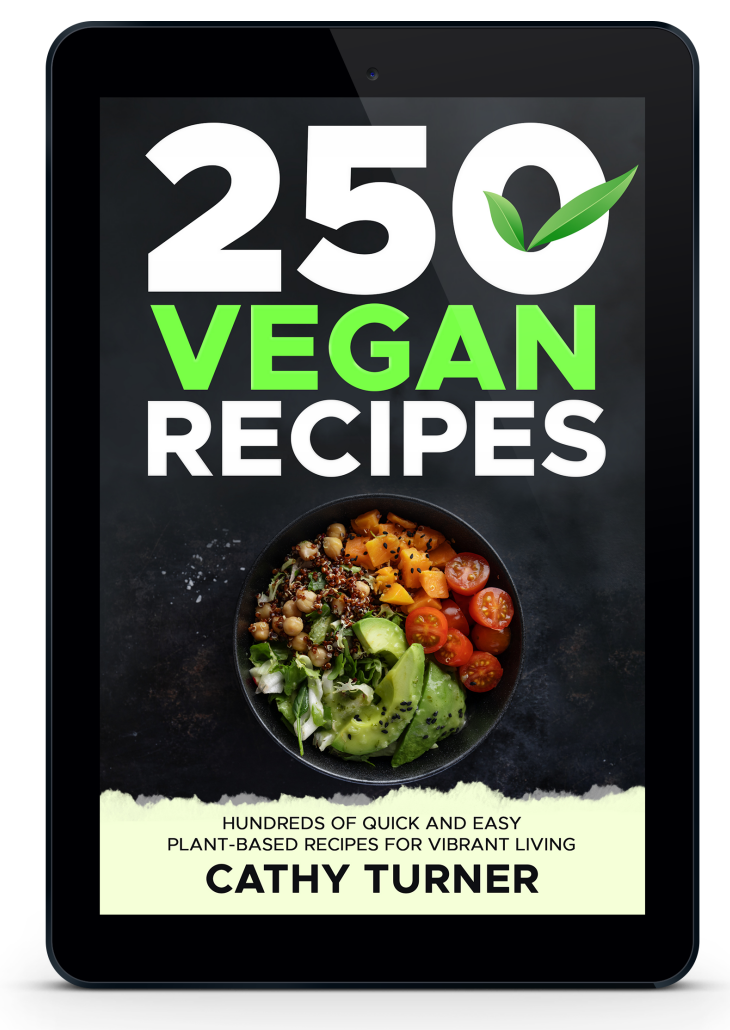
- Over 250 easy-to-follow recipes
- Perfect for beginners and seasoned cooks
- Nutritionally balanced for healthy eating
- Includes meals for every occasion
A balanced vegan diet provides essential nutrients, but it’s vital to understand your body’s needs. Key nutrients include:
- Protein
- Vitamin B12
- Iron
- Calcium
- Omega-3 fatty acids
Inadequate intake of these nutrients can lead to health issues. Therefore, consider consulting a healthcare provider for personalized advice.
Practical Steps for a Balanced Vegan Diet
Following a vegan diet can be simple and enjoyable if you take the right steps. Here’s how to follow a vegan diet effectively:
- Plan your meals in advance.
- Incorporate a variety of fruits and vegetables.
- Include whole grains for fiber.
- Opt for legumes and nuts for protein.
- Monitor your nutrient intake regularly.
By following these steps, you can create a balanced vegan diet that supports your health and well-being.
Common Misconceptions About Vegan Diets
Many people hold misconceptions about vegan diets. Here are some common myths:
Find Your Next Favorite Meal → →
- Vegans can’t get enough protein.
- Vegan diets are always healthy.
- It’s difficult to get all essential nutrients.
- Vegans can’t enjoy delicious food.
Understanding these misconceptions can help you navigate your vegan journey more effectively.
How to Identify Pitfalls in Your Vegan Journey
Identifying pitfalls is essential for long-term success. Here are some common vegan diet mistakes:
- Relying too heavily on processed vegan foods.
- Neglecting meal planning.
- Ignoring nutritional labels.
- Failing to diversify food choices.
By recognizing these pitfalls, you can take proactive steps to ensure a balanced diet.
FAQs About Consulting a Doctor on Vegan Diets
What signs indicate I should consult a doctor?
Signs include fatigue, digestive issues, and significant weight fluctuations.
Can a vegan diet lead to nutritional deficiencies?
Yes, if not planned properly, a vegan diet can result in deficiencies in key nutrients.
How often should I check in with a healthcare provider?
Regular check-ups are recommended, especially when starting a vegan diet.
What are the common health concerns for vegans?
Common concerns include deficiencies in B12, iron, and omega-3 fatty acids.
Final Thoughts on Vegan Diet Health
Transitioning to a vegan diet can be beneficial for health and the environment. However, it is essential to be aware of your nutritional needs and consult a doctor if you experience any concerning symptoms. With proper planning and awareness, you can enjoy a fulfilling vegan lifestyle while minimizing risks.

- 200+ Flavor-packed recipes to explore.
- 30-minute meals fit for any schedule.
- Simple ingredients from your local store.
- Beginner-friendly with no complicated steps.