Nutritional Deficiencies on a Vegan Diet: What to Know
Nutritional deficiencies on a vegan diet can sneak up on you if you're not careful. You might think you're eating healthy, but missing out on key nutrients could leave you feeling less than your best.
Understanding what to watch for is essential to maintain your energy and vitality. With resources like the One Month Vegan plan or the 250 Vegan Recipes Cookbook, you'll have all the support you need to thrive on your plant-based journey.
Disclosure: This post may contain affiliate links. If you buy through them, we may earn a commission at no extra cost to you.
Note: This content is for informational purposes only and is not medical advice. If you have a medical condition, are pregnant/nursing, or take medication, talk to a qualified professional before using supplements.

- Over 253,236 people have succeeded.
- Easy-to-follow daily meal plans.
- Discover delicious vegan recipes.
- Practical tips for kitchen stocking.
- If you want the fastest route: see the best options and match one to your needs.
- If you’re choosing between two finalists: use the comparison to decide faster.
- For the “start here” option: check the recommended pick.
- If symptoms are intense or persistent, consider talking to a clinician.
- In a Nutshell: Vegan Nutritional Needs
- Essential Nutrients to Monitor on a Vegan Diet
- Practical Steps to Prevent Nutritional Deficiencies
- Common Pitfalls: What to Avoid on a Vegan Diet
- Snacking Smart: Vegan Options for Nutritional Balance
- FAQs About Vegan Nutritional Deficiencies
- Final Notes: Your Path to Vegan Success
Explore: Roundup | Comparison | Top Pick Review | Alternative Review | Also Consider Review
In a Nutshell: Vegan Nutritional Needs
- Understanding nutritional deficiencies on a vegan diet is crucial for health.
- Essential nutrients include protein, vitamin B12, iron, calcium, and omega-3 fatty acids.
- Meal planning helps in maintaining a balanced vegan diet.
- Snacking on a vegan diet can provide necessary nutrients.
- Awareness of common vegan diet mistakes can prevent pitfalls.
- Overcoming cravings on a vegan diet is possible with the right strategies.
- Support and resources are available for beginners facing challenges.
Short on time? See the best options → | Compare top picks →
Essential Nutrients to Monitor on a Vegan Diet
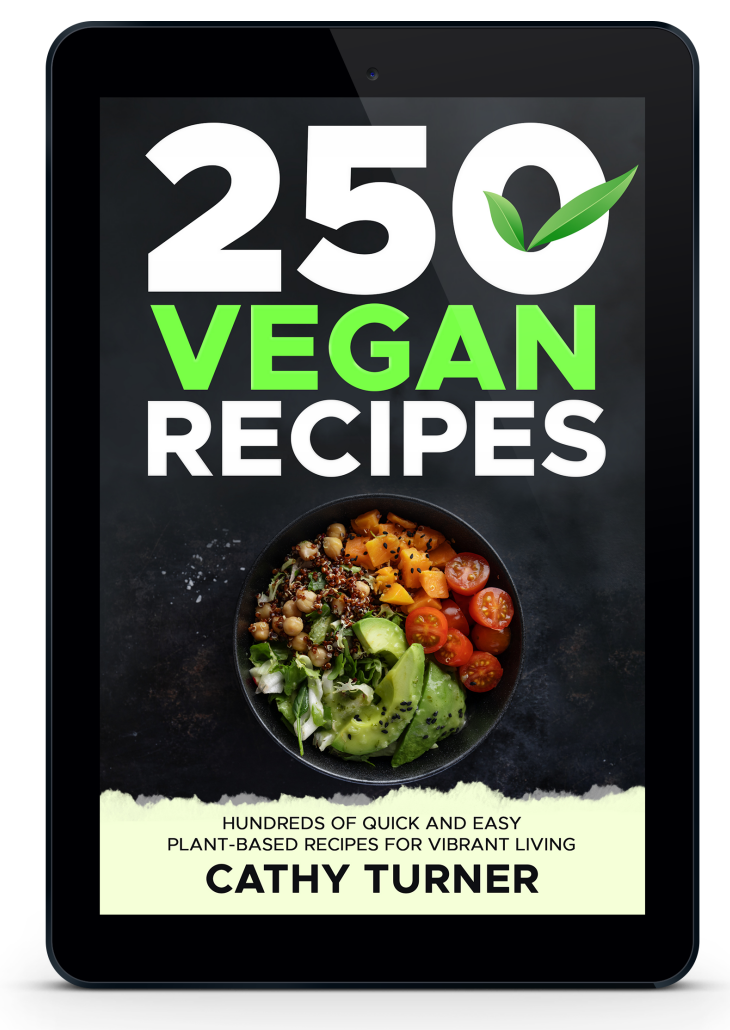
- Over 250 diverse plant-based recipes
- Simple instructions for all skill levels
- Nutritious meals to energize your day
- Perfect for breakfast, lunch, and dinner
When considering nutritional deficiencies on a vegan diet, it’s important to focus on key nutrients. These nutrients play a vital role in overall health and well-being. Here are some essential nutrients to keep an eye on:
- Protein: Vital for muscle repair and growth.
- Vitamin B12: Important for nerve function and red blood cell production.
- Iron: Necessary for oxygen transport in the body.
- Calcium: Essential for bone health.
- Omega-3 Fatty Acids: Important for brain health and reducing inflammation.
Practical Steps to Prevent Nutritional Deficiencies
To avoid nutritional deficiencies on a vegan diet, follow these practical steps:
- Plan meals to include a variety of food groups.
- Incorporate fortified foods or supplements for vitamin B12.
- Use plant-based sources of iron, such as lentils and spinach.
- Include calcium-rich foods like tofu and fortified plant milks.
- Incorporate flaxseeds or chia seeds for omega-3 fatty acids.
- Regularly check nutrient levels through blood tests.
- Consult with a nutritionist for personalized guidance.
Common Pitfalls: What to Avoid on a Vegan Diet
Many beginners face challenges when transitioning to a vegan diet. Here are some common mistakes to avoid:
Unleash your inner chef now → →
- Neglecting to plan meals, leading to a lack of variety.
- Relying heavily on processed vegan foods.
- Ignoring nutritional labels for fortified products.
- Overlooking the importance of protein sources.
- Failing to address cravings, which can lead to binge eating.
- Not seeking support from vegan communities.
Snacking Smart: Vegan Options for Nutritional Balance
Snacking on a vegan diet can be both enjoyable and nutritious. Here are some smart snacking options:
- Hummus with fresh vegetables.
- Nuts and seeds for healthy fats and protein.
- Fruit smoothies with spinach or kale.
- Whole grain crackers with avocado.
- Energy bars made from oats and nut butter.
FAQs About Vegan Nutritional Deficiencies
What are the most common nutritional deficiencies on a vegan diet?
The most common deficiencies include vitamin B12, iron, calcium, and omega-3 fatty acids.
How can I ensure I’m getting enough protein on a vegan diet?
Include a variety of protein sources such as legumes, tofu, tempeh, and quinoa in your meals.
What should I do if I experience cravings on a vegan diet?
Identify the cravings and find healthy vegan alternatives to satisfy them without compromising your diet.
Are there specific supplements I should consider as a vegan?
Consider supplements for vitamin B12, vitamin D, and omega-3 fatty acids, especially if you’re not getting enough from food.
Final Notes: Your Path to Vegan Success
Transitioning to a vegan diet can be rewarding but requires careful planning. By monitoring essential nutrients and avoiding common pitfalls, you can enjoy a balanced, fulfilling diet. Embrace the journey and explore the diverse options available. With the right knowledge and resources, you can thrive on a vegan diet.

- 200+ mouthwatering vegan recipes
- Beginner-friendly and easy to follow
- Global flavors from around the world
- Quick meals ready in 30 minutes